

‘Buddha was born in Nepal’, in present-day Lumbini, as the prince of the ‘Shakya Dynasty’. He is believed to have lived during the 5th to 4th centuries BCE and left a legacy behind like no other. His life of renunciation, which almost sounds like utopia, has inspired people to live a life of simplicity, across time and space.
Some call him God, some a spiritual leader and some the bearer of life’s truth. I used to call him my friend, everything I had heard of him felt real but sometimes unattainable. ‘If your compassion doesn’t include you, it is incomplete’, I loved the sound of the quotes he left behind, especially this one. What did he mean though? Did he mean we were to treat ourselves with everything nice and beautiful? Or did it mean that learning to love others selflessly was tough? Was it something to do with me, my fears and my own identity, which honestly was not even discussed in the school books then.
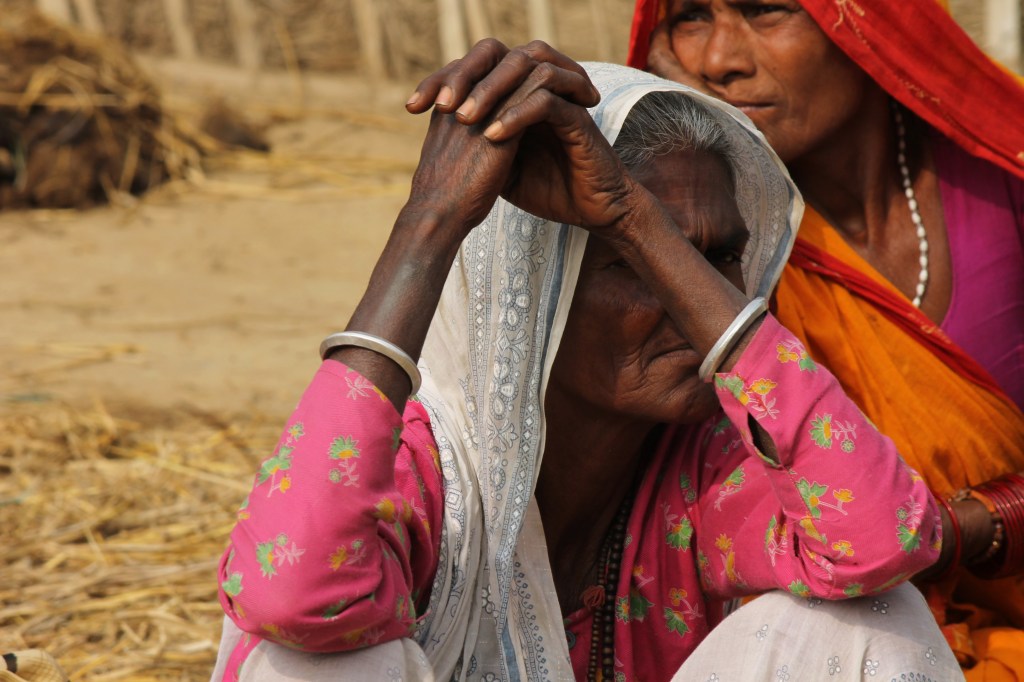
There was a supermarket we would go to once in a while to buy our groceries and I’d often find myself lost in a corner, carefully inspecting crockery and other beautiful things. I must have always loved well-crafted and visually appealing things, but I also love fixing what sometimes is found broken. ‘You are so cute; are you a Nepali or an Indian?’ a couple asked – I assumed they were travelers as I had never seen them before. ‘Madhesi. I am Madhesi’. That’s all I remember of it, but they were very sweet, and I felt good talking to them. They called me cute…I was probably seven years old. Who knew that this would be the most frequently asked question for the next two decades.
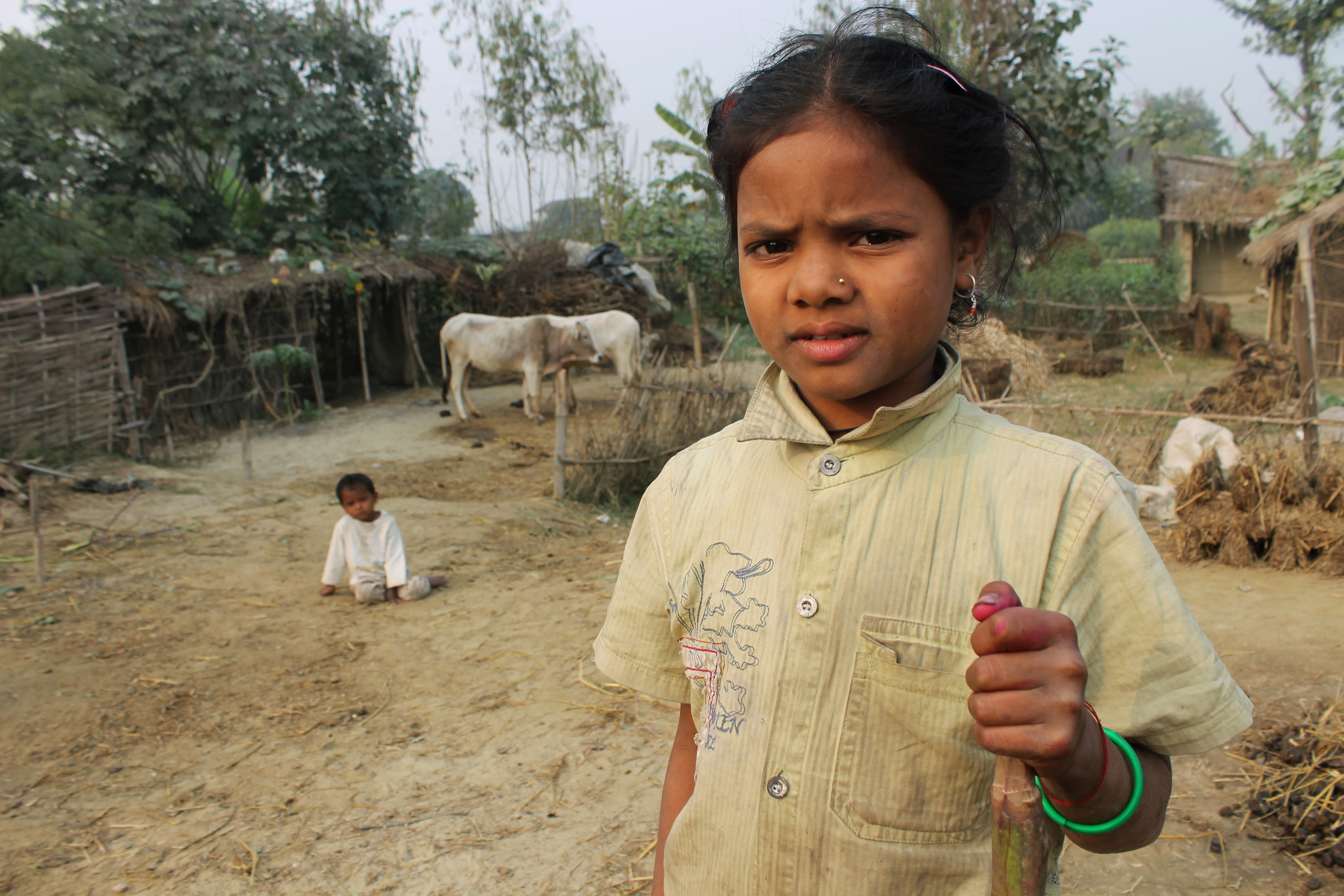
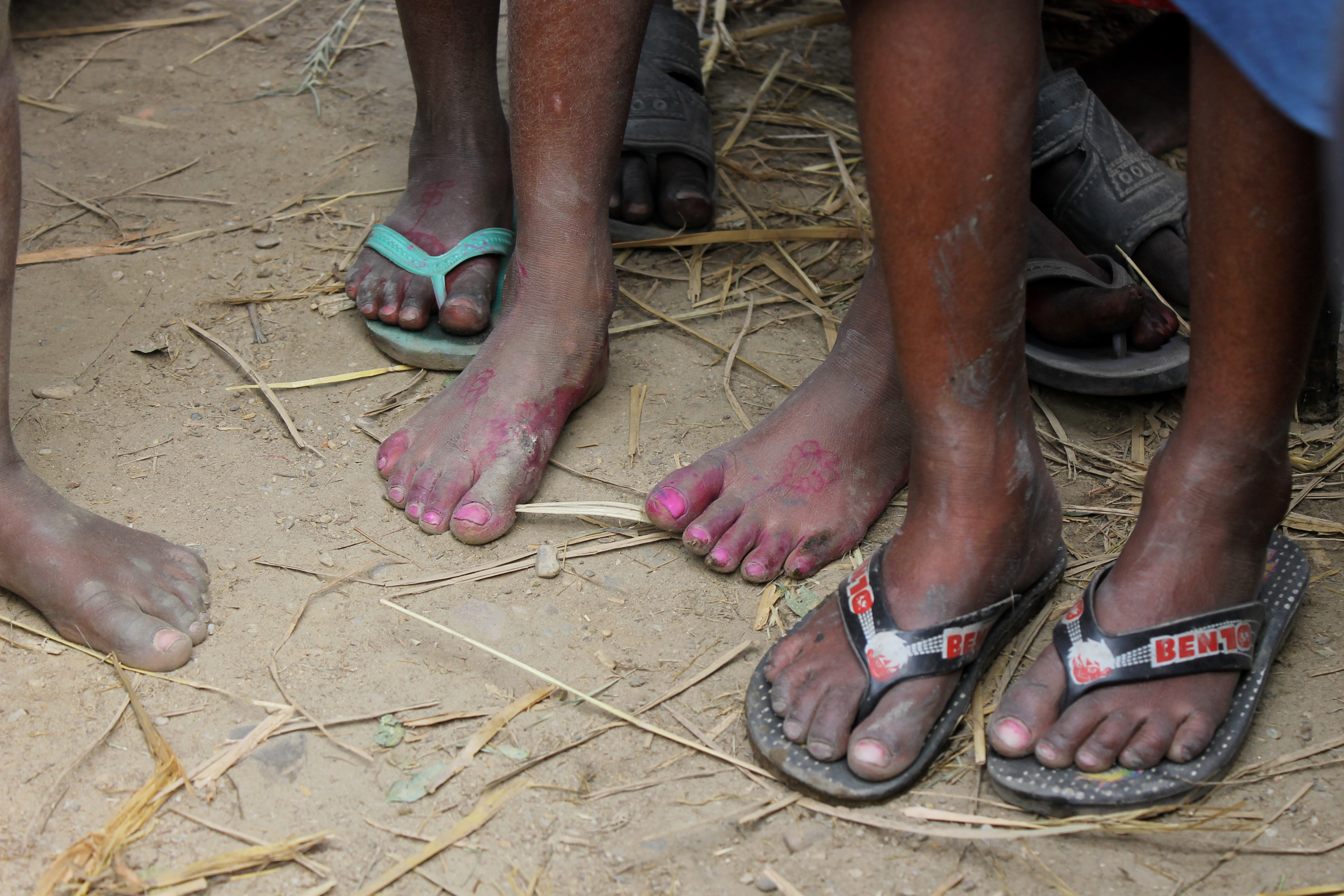
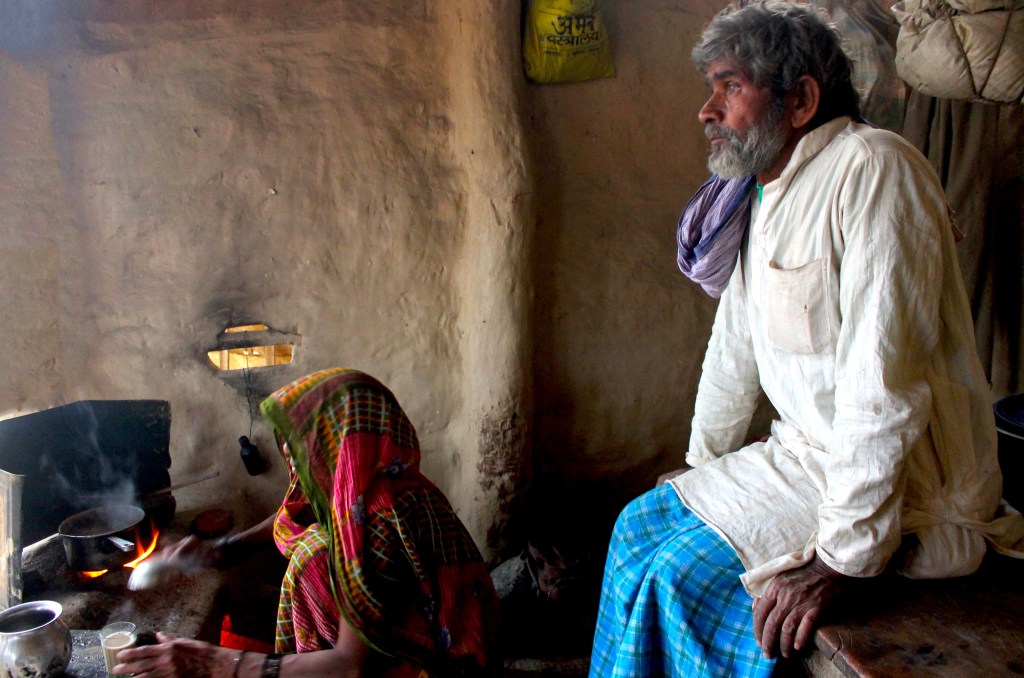
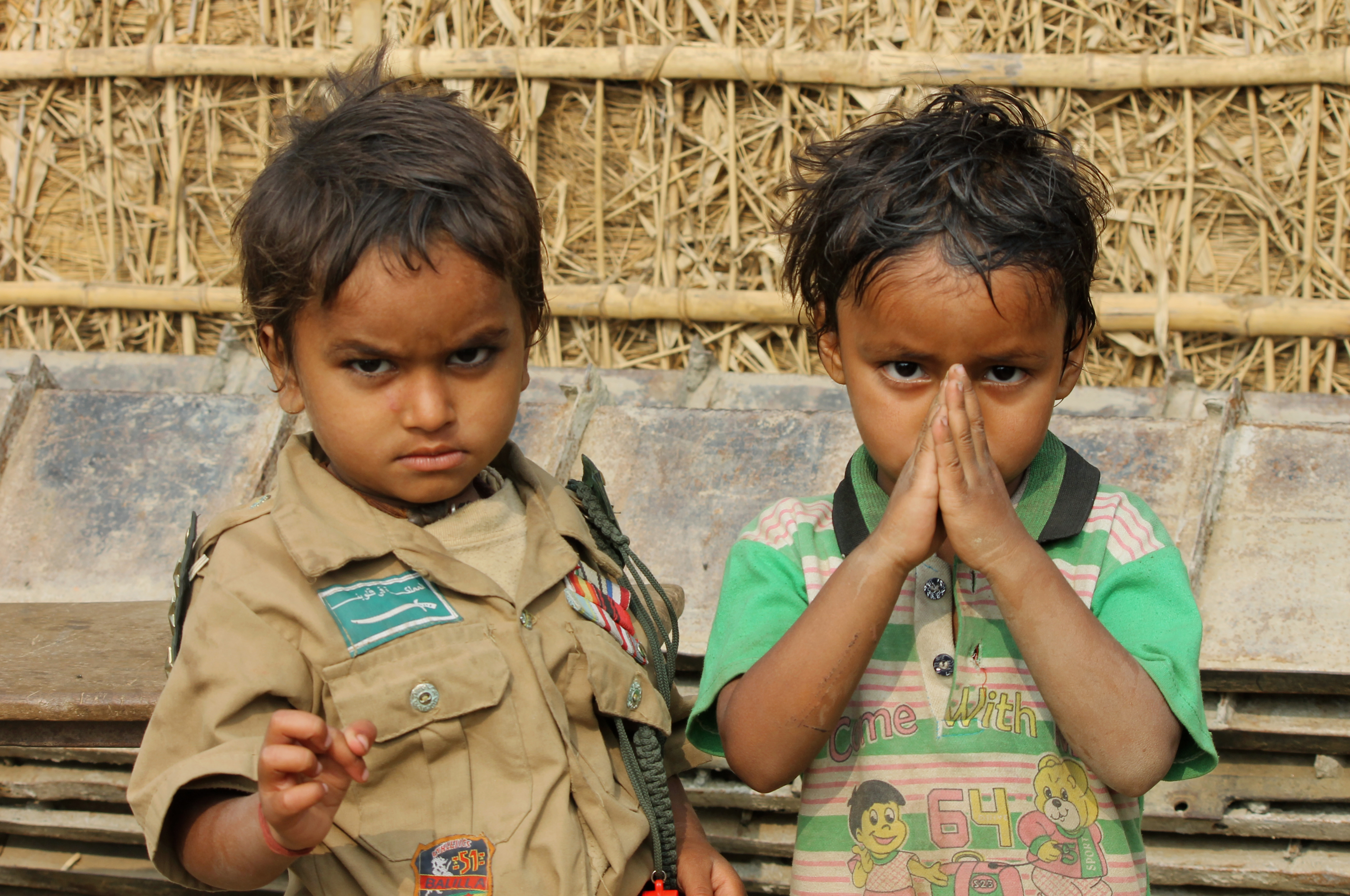
I didn’t blame them – we did look different. Not as if we had horns and tails, but we did feel different, and our mother tongue wasn’t Nepali. My mom could make parathas and Maachbhaat, which I would take as my tiffin to school. Whatever she cooked was delicious, but it was mostly not ‘Nepali’ enough. I couldn’t answer those questions too well anyway…I’ve never read about Madhesis being particularly brave.
Often there were conflicting accounts about Buddha’s birth and whether it was in Nepal or Ancient India. Lumbini is in Madhesh/Terai – in fact, it neighbors my parents’ homeland. It was disturbing to learn that someone who became such a revered figure because of his awakening towards acceptance and love, was being fought over. His nationality (A very modern-day concept) was being questioned and curated to suit the interests of power holders in politics and society; I wondered if he would have ever really wanted that.
Perhaps he could have, the way I wanted it. The way I was sick of being questioned about my identity…I wanted to be an equal too. Secretly, I wanted them to fight over me too.

Life was lived in transition – I grew up in Kathmandu, where my home, school, and friends were. Then why did I never feel like it was home to me? Probably because I had heard that home is where the heart is. My heart mostly wandered and was mostly terrified of being labelled ‘not Nepali enough’. There was an enormous amount of guilt for not having the other color of skin and for having the mother tongue that was not Nepali or the fact that the annual trip we would make for a month and sometimes just few days to Madhesh felt more like home than where I was born or brought up. It was a peculiar space to be in and I thought I was the only one until I stumbled upon texts regarding ‘The civil movement’ and the many struggles of indigenous peoples across the world. The struggles of many gave me hope…I almost found hope and home in the unheard voices of so many like me who were made to believe that we were not enough.
It would be fair to say that I learnt to live my life in extremes – in dreams and realities. Buddha, my friend, helped me get through life, and even gave me the hope to dream. Even though I wondered how it would have all been if I could have escaped this discrimination, which was pushed at us mostly because of the color of our skin, I always felt lucky enough to have been able to escape the hardships Madheshi women faced and to have had a really diverse group of friends, each of whom were fighting their own individual wars. A sense of individuality and diversity had already been sown in me and I had dared to start dreaming.

How wonderful it would be for people to be able to see the other faces of Nepal on postcards, I wondered. Maybe then it will be easy to grasp that there are many faces of Nepal. The world will know one day, and I will do what I can – I will speak my truth and express who I identify as. Maybe then the kids won’t bully the ones who look ‘different’…that kid lived inside of me for a very long time.
It was during the postpartum of Nepal’s civil war that I was able to go back to Madhesh and collect some memories from my childhood. These photographs mean so much to me that I didn’t have the courage to sit down with them for the following five years and confront my own reality. Isn’t it such an irony that something that we are born with or choose to name as our ‘Identity’ can sometimes be the most difficult part of us to truly embrace?
2020 seems like the perfect year to collect all the broken pieces, plaster them with love, and hope that we see beyond the color of our skin and celebrate life as it should be.
“I have a dream that my four little children will one day live in a nation where they will not be judged by the color of their skin, but by the content of their character.”
Martin Luther king.
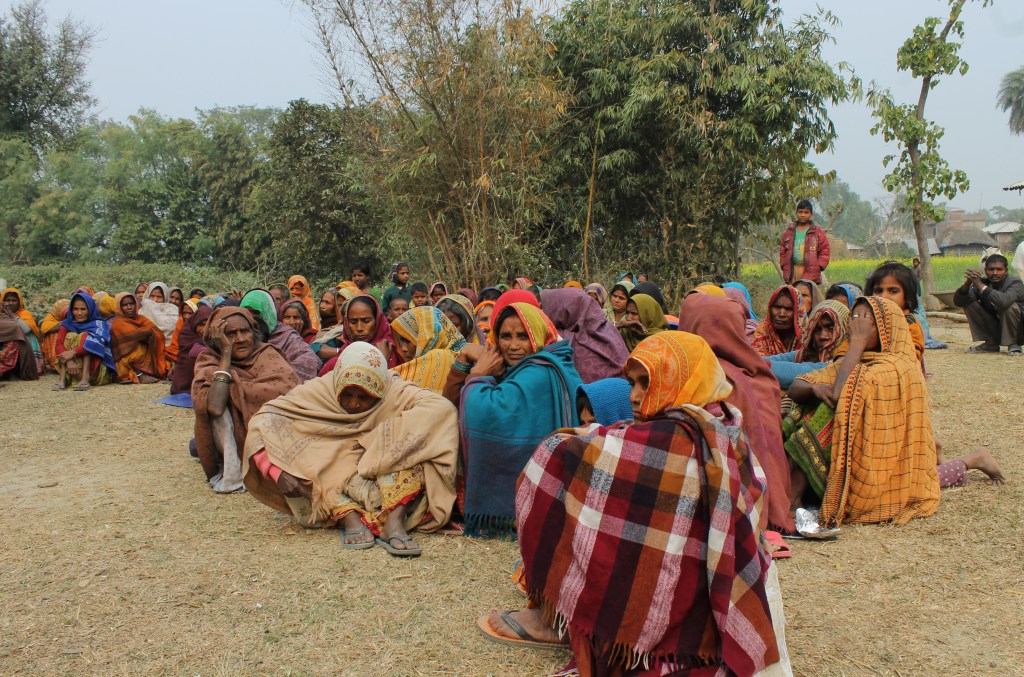
Photographs and words by Moni Jha.
Currently based out of Delhi, Moni Jha has been working as a freelance photographer and model for the last two years. She has also had the opportunity to work with marginalized communities in Nepal, which is her home country. Today, Art is where she finds her true expression as a human being which actually started in Kathmandu during the post-Civil war period as a socio-political activist and a street photographer.
 random-kind.com