
When one stays in the moment and starts to really see someone in the process of making something (be it a painting, a piece of writing, an object of craftsmanship or even a plate of food), there always seems to be harmony of many rhythmic movements, such as the mixing of paint or the tossing of ingredients. Reckless calculated stirs and the texture of the dish created, is nothing less than an invaluable art. The urgency of the sounds, the rainbow of aromas, and chaotic movements all add up and start to make sense. One can sense the care and precision of the detailed actions, as well as the state of mind, which is either calm or discomposed. Street food stalls, in particular, have been a delightful experience.
Similarly, each craft has a story to tell about its creation as well as its creator. The observation of creation brings about a calm that could never be achieved by picking a thing off a store rack.
For me, ‘process’ has been a thing of prime interest, Sahaj explains. Sahaj owns a brand called ‘The Bicyclist’, which allows him to indulge in his passion for leather.
“I have often found myself being intrigued by people who are immersed in manual methods. I have enjoyed this state of flow while working with leather. In this state, the surroundings, time and chatter vanish. It is such an irony that the process of creating actually transports us into a state of flow. The sudden disconnect that occurs between the craftsman and the world around him connects everything known in the moment. One is transported away from the pollution of infinite thoughts, into a state of mindfulness, into the sea of the unknown. A state of mind which purely starts to centre around the process, as opposed to the end result.”
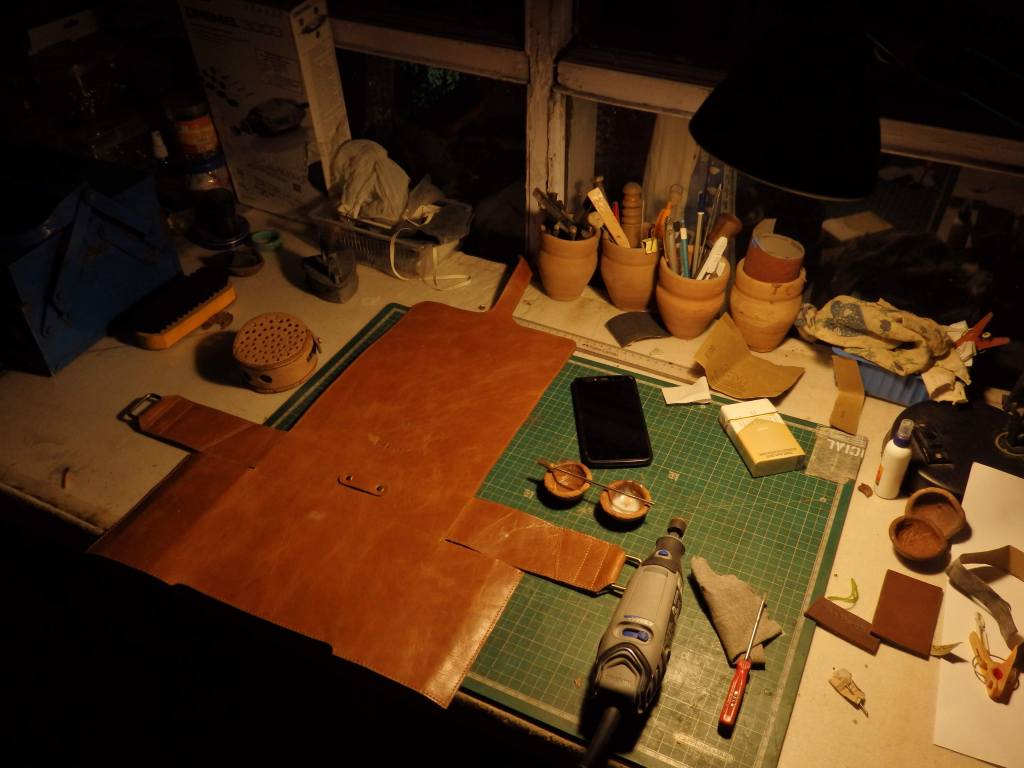
He adds, “To a craftsman, the process of crafting an object becomes sacred. Like the rituals performed before culminating in prayer, each step is a divine experience. From the past, the creator reflects and learns more about the process and the steps, in order to plan for an efficient and beautiful execution in the future. And in the present, the creator’s mindful actions join the two ends together. In the act of crafting, all the attention of the craftsman is directed only towards his present, making each of his actions and steps a critical part of the process.
To a craftsman, the process of crafting an object becomes sacred. Like the rituals performed before culminating in prayer, each step is a divine experience.
Sahaj Ghose
In practice, it requires a constant and conscious decision to be connected with the present and each action. Workmanship takes practice, maturity, and experience working with the material, which gives the crafted object its unique value from the attentive hands of the maker.

A handcrafted object carries a certain memory over time. The object attains a kinship with the holder, who often repairs, polishes, and maintains it with great care. These acts develop a sense of intimate ownership, that goes beyond monetary value, eventually making the object a part of the owner and their identity.
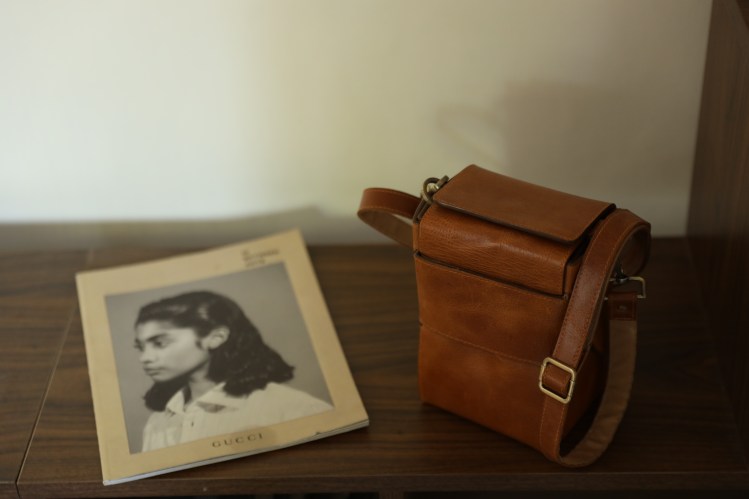
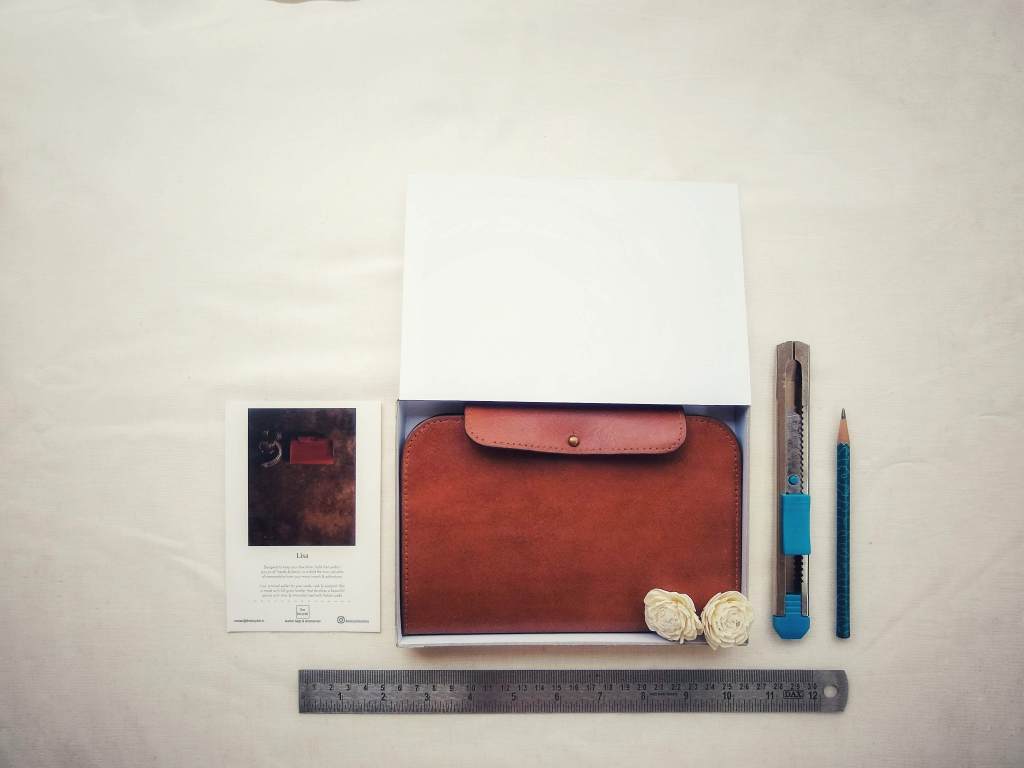
Craftsmanship is very old and has existed since man had the time and intelligence to do things with his hands, by making both useful as well as decorative objects. Design, however, only dates back to the 20th century. The industrialization has somehow anesthetized the craft industry. And with the emergence of mass production, the surplus of choices created an alienation of this segment.
“I think it’s a two-way communication. It’s a slow process wherein one learns to think and repeat the process again and again in order to achieve something new. Every time one achieves something new, one wants to recreate…I call it ‘soul of infinity’. It’s a beautiful endless journey “, Rakshit explains. (Rakshit has a block printing studio in New Delhi under the name Eachaneri Designs.)
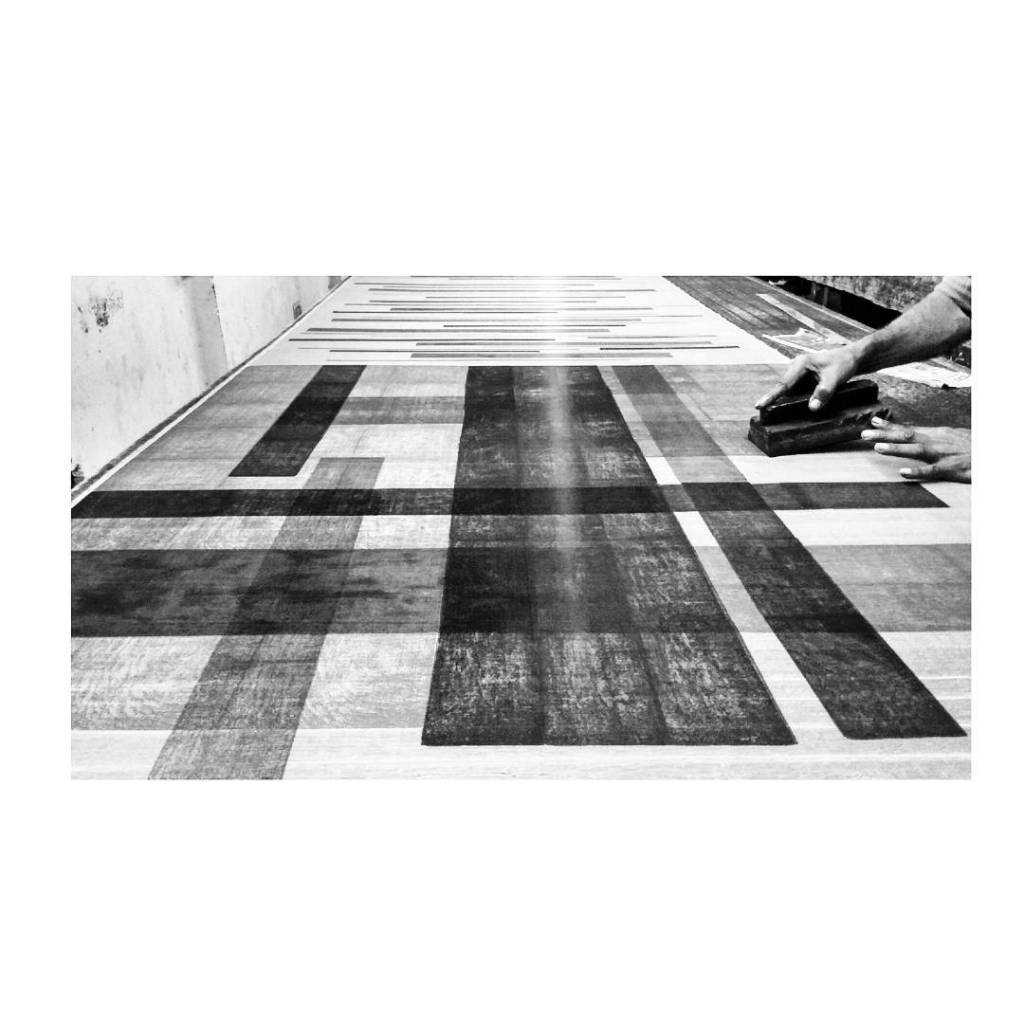
I think it’s two-way communication. It’s a slow process wherein one learns to think and repeat the process again and again in order to achieve something new.
Rakshit reddy
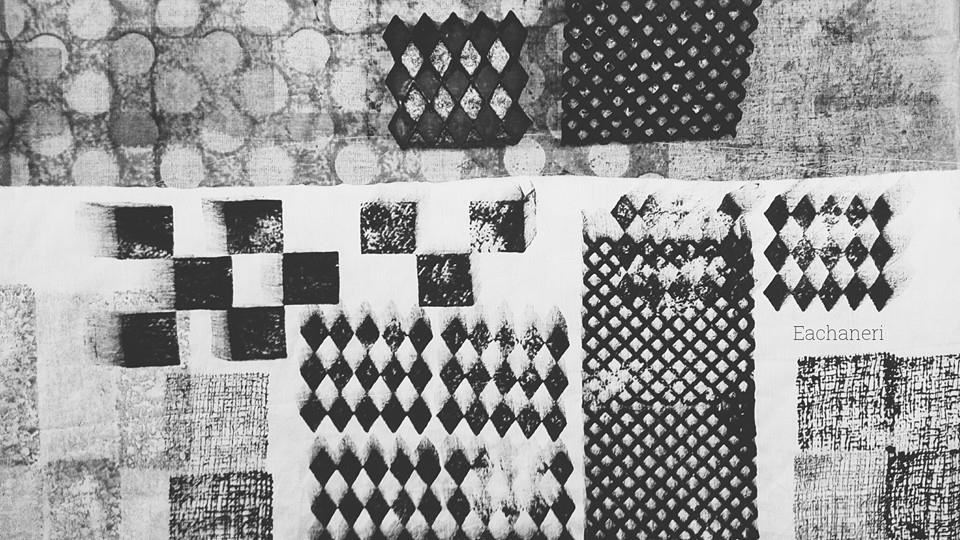
There is a direct correlation between a craftsman’s thought process and the object being created. This correlation creates a uniqueness in terms of the object and becomes a representation of the craftsman’s state of mind.
“I am a studio potter and being mindful is very essential, as when one is in touch with the clay, even a moment of distraction can lead to a deformed form of it. Clay takes the form of one’s state of mind, in a way. In fact, at times one has to be mindful of what state the clay is in, in order to make something of it with mutual consent. The need for homogeneity with the environment takes another form.” (Jasveen expresses her thoughts at her home-turned-studio for her practice. She has a studio called Bodhisattva Designs in Delhi)
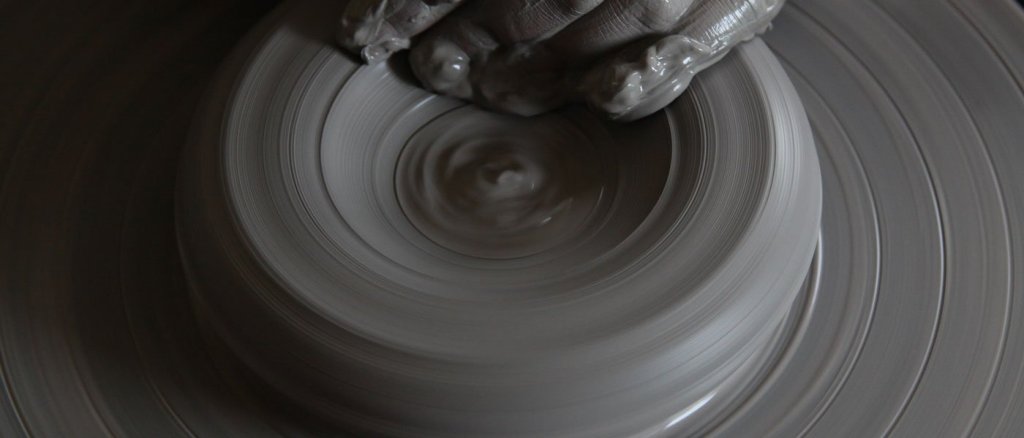
Clay takes the form of one’s state of mind, in a way. In fact, at times one has to be mindful of what state the clay is in, in order to make something of it with mutual consent.
Jasveen Sabhrawal
The craft is a functional object with emotion behind it. In today’s surplus of products, one needs to pause and find the affection for objects again. Objects with a soul are preserved longer. We have less desire to replace them just for the excitement of novelty because we cherish them. We are witnessing a revaluation of traditional values. Perfect and smooth are less seductive than irregularity, imperfections and uniqueness. In a world disconnected from touch, matter is gaining importance. There is a lot of poetry in the single and simple object, which re-enchants our everyday life. We do not need to have 40 bowls, one simple and beautiful one is enough.
 random-kind.com